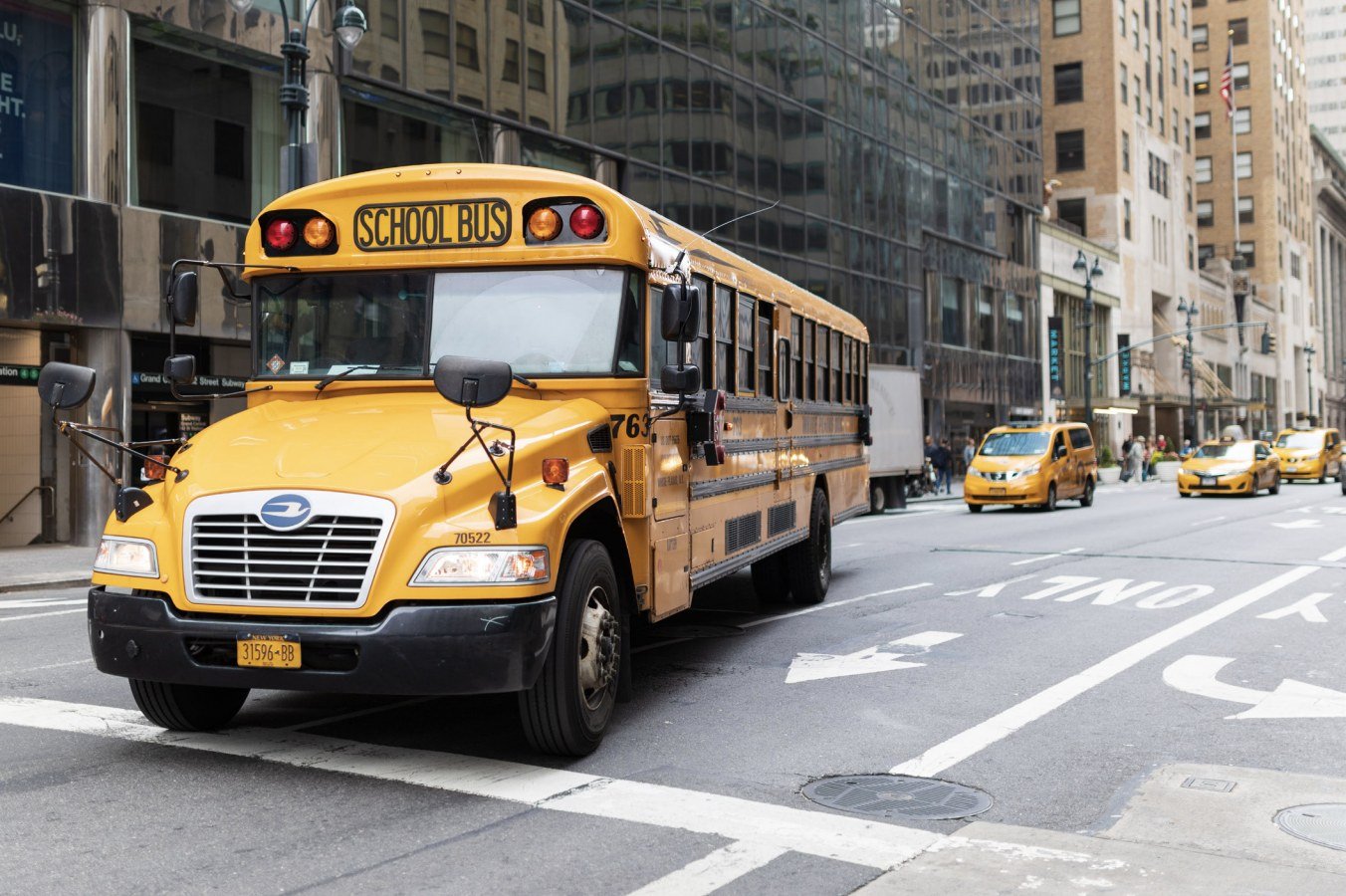
NEW YORK — The buses that carry New York City's most vulnerable students are increasingly hard to staff. About 155,000 children in the city require school bus transportation, including some 70,000 students with disabilities, and operators say the driver workforce — more than 90 per cent minority and heavily immigrant at some companies — has been hit in successive waves by federal immigration policy, according to an investigation by The Lighthouse News.
The most recent shock came from Washington's termination of Temporary Protected Status for Haitian nationals, effective July 27, 2026, after a June Supreme Court ruling cleared the way. Brooklyn and Queens are home to the two largest Haitian populations in the country, and many drivers live in the communities they serve. 'Employees must re-verify their status, and they can't continue employing anyone without a current work authorization,' one operator said, describing the loss of drivers who had worked routes for 20 years. Uncertainty over Salvadoran TPS is now prompting more drivers to leave pre-emptively.
The students hit hardest are those with the most intensive needs, who often attend specialized programs farthest from home. Advocates for Children of New York says those students are the most frequently left without a bus at the end of vendor pickup sequences. One Brooklyn parent told reporters her son, who attends a District 75 program for students with complex disabilities and cannot manage a loud, crowded subway, had made it to school only twice in several weeks; rideshares were too expensive to use daily.
City officials say the vast majority of children who need a bus have one, while acknowledging a spike in demand alongside nationwide driver shortages. More pressure points are dated on the calendar: Sudan and Ukraine TPS designations were set to end October 19, 2026, and Lebanon's faces a decision by November 27 — each capable of pulling more drivers out of an already strained system.