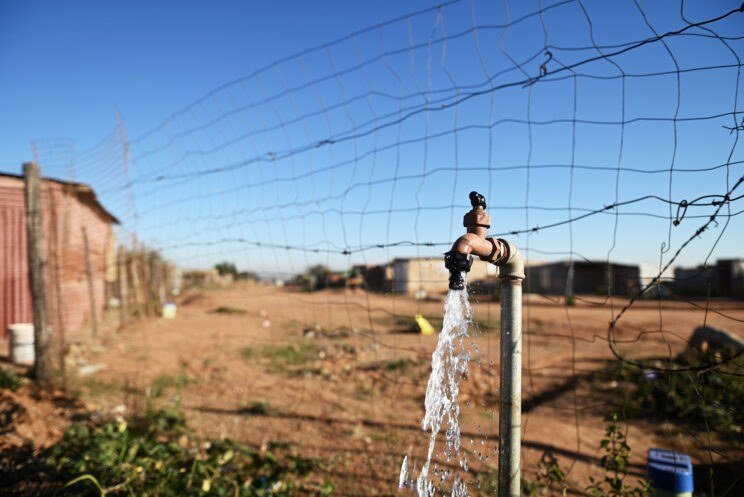
A water crisis in Bronkhorstspruit, in South Africa's Gauteng province, is now a question of accountability. In a joint statement released Monday, the Department of Water and Sanitation, the Gauteng government and the City of Tshwane said laboratory tests on stool specimens from infected patients detected norovirus, campylobacter and shigella, which together caused the cramps and diarrhoea that sent residents to Bronkhorstspruit Hospital and other facilities.
About 408 cases were recorded between October 7 and 12. The reason, the statement said, was that the Bronkhorstspruit water treatment works had not been chlorinated between September 24 and October 14 — a three-week gap in the basic disinfection step that keeps drinking water safe.
WaterCAN, a water-justice organisation, demanded an immediate inquiry, including suspensions of senior officials with oversight of the plant. “This is simply unacceptable in South Africa's capital. There is a clear collapse of oversight and lives could have been lost,” its spokesperson said.
The group argues the incident cannot be viewed in isolation, pointing to recurring typhoid cases in Bronkhorstspruit and surrounding communities and years of complaints about unreliable supplies, discoloured water and deteriorating sanitation infrastructure.
Parliamentary records show the water department has issued numerous non-compliance notices and directives against the City of Tshwane since 2011, along with several criminal cases involving the city's wastewater infrastructure — a paper trail residents say has yet to produce lasting fixes.