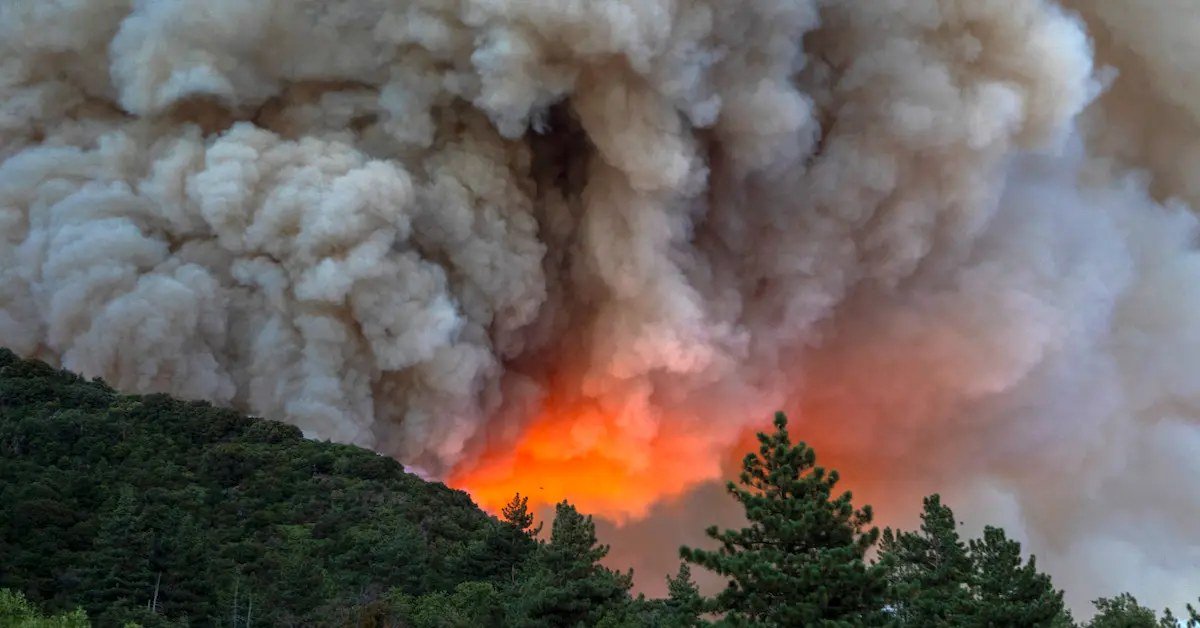
A familiar Southeast Asian crisis has returned at full strength. Smoke from Indonesian wildfires pushed air quality to 'very hazardous' levels on Saturday: on IQAir's live ranking, Singapore was the world's second-most-polluted major city behind Baghdad, with Kuala Lumpur third, and the ASEAN Specialised Meteorological Centre placed southern ASEAN at haze Alert Level 3, its highest.
Indonesia's disaster agency said 2.4 tonnes of dry ice were dispersed by plane at a main South Sumatra airport in an attempt to thin the haze, warning the smoke threatens residents' health as well as flight operations.
Singapore said Friday it would issue warning notices to seven Indonesian companies it identified as responsible for fires — mainly Sumatra pulpwood and timber suppliers, including Bumi Andalas Permai, Bumi Mekar Hijau and SBA Wood Industries.
The effects spread across the region: schools were closed in Dili, the capital of East Timor, amid unhealthy air, and Malaysia's pollutant index hit the 'very unhealthy' range in Johor. The haze is slated for discussion ahead of a November ASEAN summit in Manila — the latest test of whether the bloc's long-standing transboundary haze agreements can do what decades of fire seasons have not.