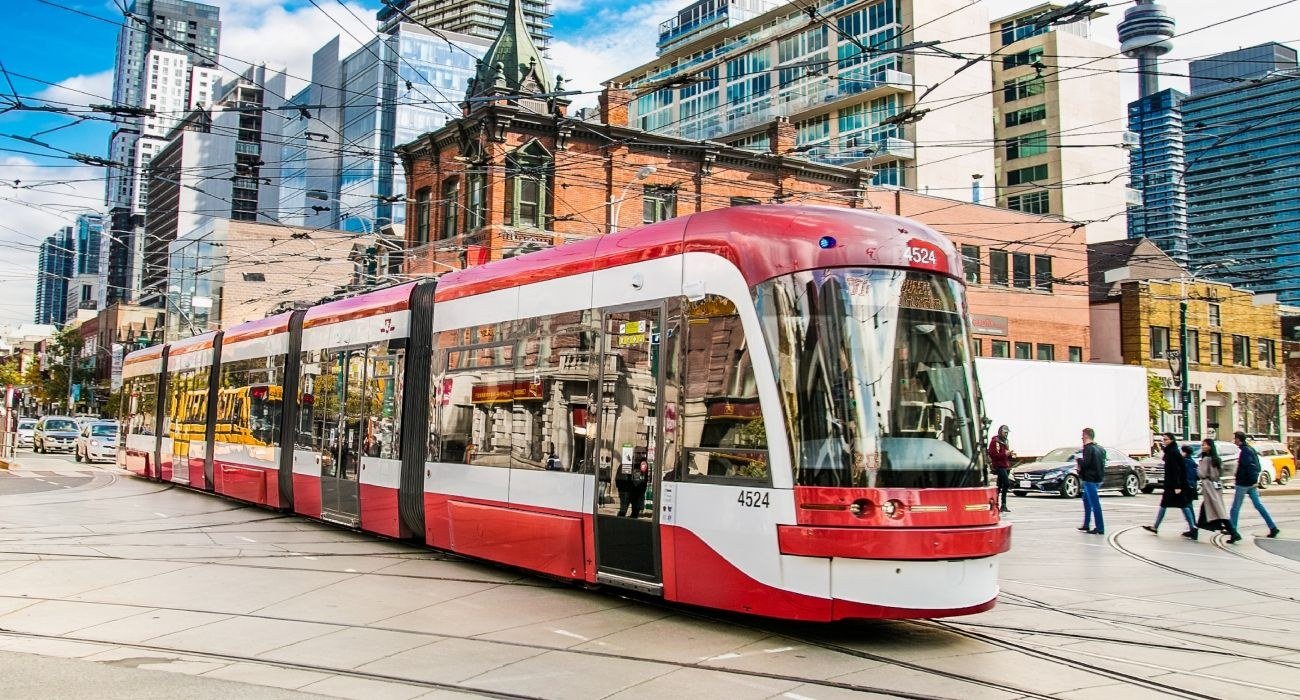
Toronto's mayoral race has a new transit fight. Candidate Brad Bradford is proposing signal priority and light pre-emption across the city's entire streetcar network, a system-wide upgrade he says would let streetcars move through intersections instead of idling at red lights behind turning cars.
Streetcars carry hundreds of thousands of riders a day on routes like King, Queen, Spadina and St. Clair, but only parts of the network have true signal priority today, and drivers and riders alike know the familiar crawl through the downtown core. Bradford's pitch is to make priority the default everywhere streetcars run, with lights that extend greens or cut reds as a car approaches.
Reaction from commuters on Sunday was mixed in the way Toronto transit debates usually are: riders who lose minutes at every second intersection liked the sound of it, while drivers worried about what pre-emption would do to cross-town car trips and side-street traffic.
Mayor Olivia Chow is not buying her opponent's pitch. The mayoral contest has increasingly turned on who can credibly promise a faster, more reliable TTC without blowing up the city's budget, and transit speed has become one of the race's defining issues.
Whether signal priority can be delivered network-wide — and what it would cost in signal hardware, software and traffic trade-offs — will now be a question both campaigns have to answer in detail before election day.