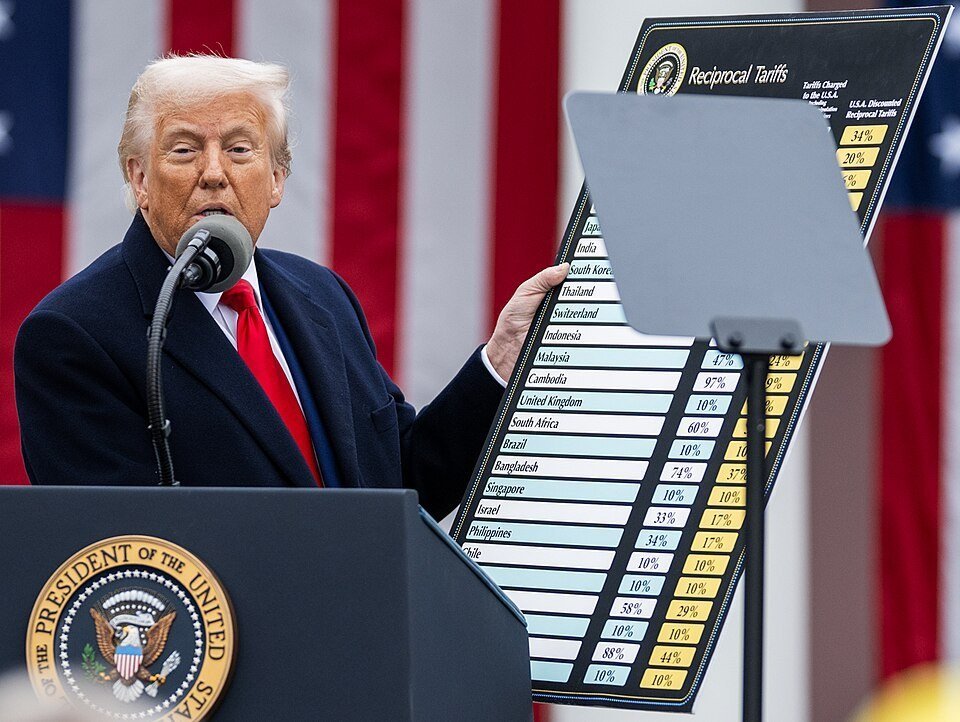
The United States has begun formally notifying roughly 100 smaller countries of the reciprocal tariff rates they face under President Donald Trump’s trade agenda, the president said, widening a campaign that has so far focused on major economies.
Trump has framed the reciprocal-tariff push as a correction to trade relationships he says have disadvantaged American workers and manufacturers, and his administration has been sending letters to trading partners setting out the rates Washington intends to apply.
For Canada, the notifications to smaller partners matter because they show how broadly the new tariff architecture could reach — and how quickly rates can change for exporters who plan around them.
Markets and trade lawyers are now watching for the fine print: which goods are covered, when rates take effect, and whether negotiations carve out exemptions before the deadlines bite.