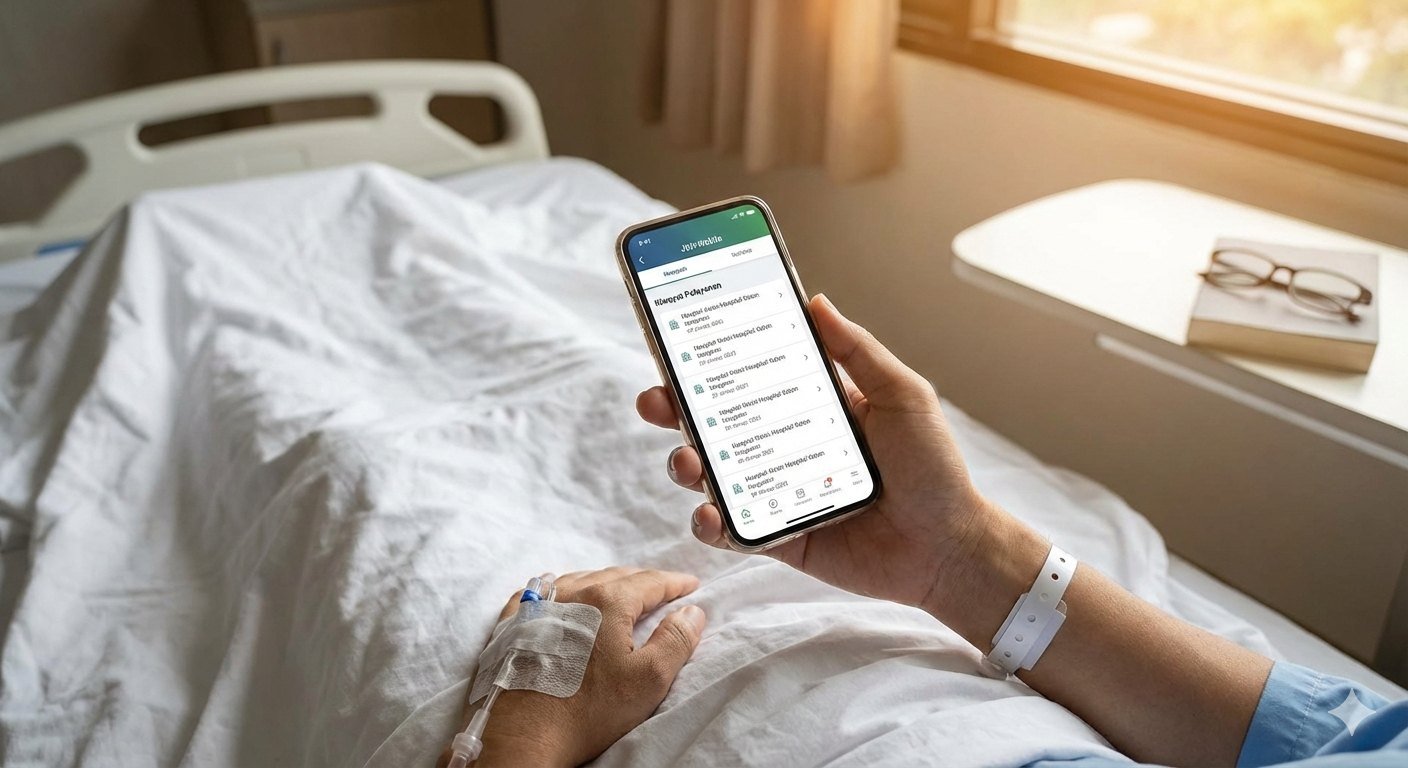
Sending surgical patients home with a monitoring app can meaningfully cut the complications that land them back in hospital — provided a clinician is actually reading what they send in, according to a study reported on October 17.
Patients in app-based monitoring programs had a 22 per cent lower risk of major postoperative complications, a 22 per cent lower risk of emergency room visits and a 15 per cent lower risk of hospital readmission compared with standard aftercare. Patients also reported less pain and anxiety, better physical function and higher satisfaction.
The catch is in the mechanism: the total number of complications did not fall significantly, which suggests the apps do not prevent problems so much as catch concerning symptoms before they escalate into emergencies requiring intensive care, another procedure or reoperation. And the readmission benefit appeared only in programs where a surgical team member or nurse reviewed patient-submitted information and could act on it; programs without clinician review showed no reduction.
For health systems weighing remote-monitoring contracts, the lesson is that the staffing is the intervention, not the software. Patients, the researchers suggest, should ask who is monitoring the information they submit — and what the protocol is when something looks wrong.