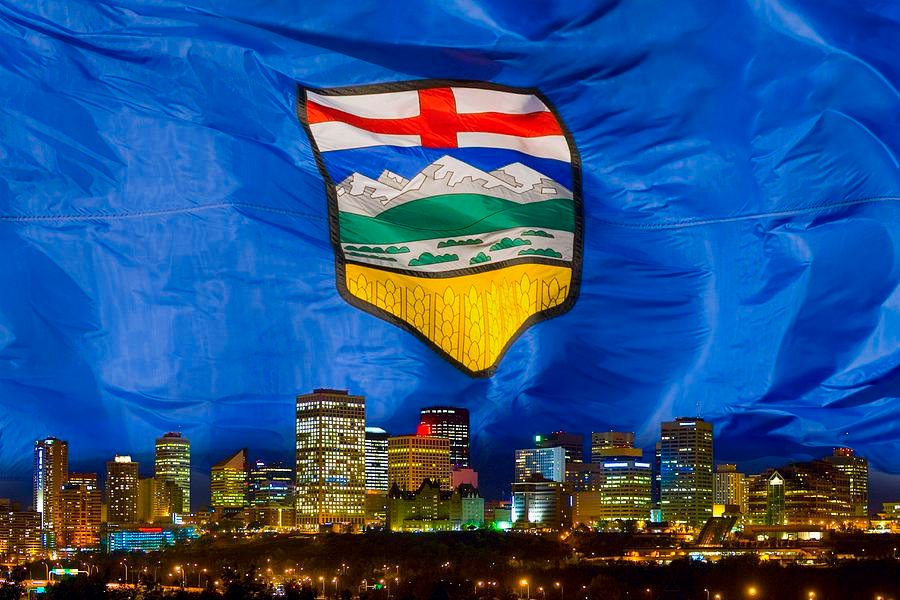
Alberta goes to the polls on Monday in a vote that is not itself independence, but asks whether the provincial government should begin the legal process toward a separation referendum. Evening analysis published Sunday, drawing on CBC-reported polling, puts opposition to separation at about 70 per cent, with roughly 23 to 25 per cent backing the separation path in mid-October surveys by Ipsos, Leger and CBC/Janet Brown.
Premier Danielle Smith opposes leaving Canada but called the vote, and has said that if 'stay' wins she will approve no second referendum. That pledge cuts both ways: it promises closure if the No side wins big, and it gives separatists every reason to chase vote share rather than victory — Mitch Sylvestre of the separatist Alberta Prosperity Project told AFP he would be 'very surprised' by a Yes share under 40 per cent.
Prime Minister Mark Carney has campaigned for a decisive result, arguing in Alberta in the final days that the separation path is a dangerous gamble for Canada's sovereignty. A Yes share anywhere near 40 per cent would become a bargaining figure in every later negotiation with Ottawa, whatever Monday's formal outcome.
Quebec's history shows how long such numbers live: the province voted No with 59.6 per cent in 1980 and by just 50.6 per cent in 1995. Legal secession would in any case require enabling legislation, negotiation with the federal government and a binding vote meeting constitutional clarity standards — there is no fast shortcut, which is why Monday is best read as a stress test of Canadian unity rather than its verdict.